
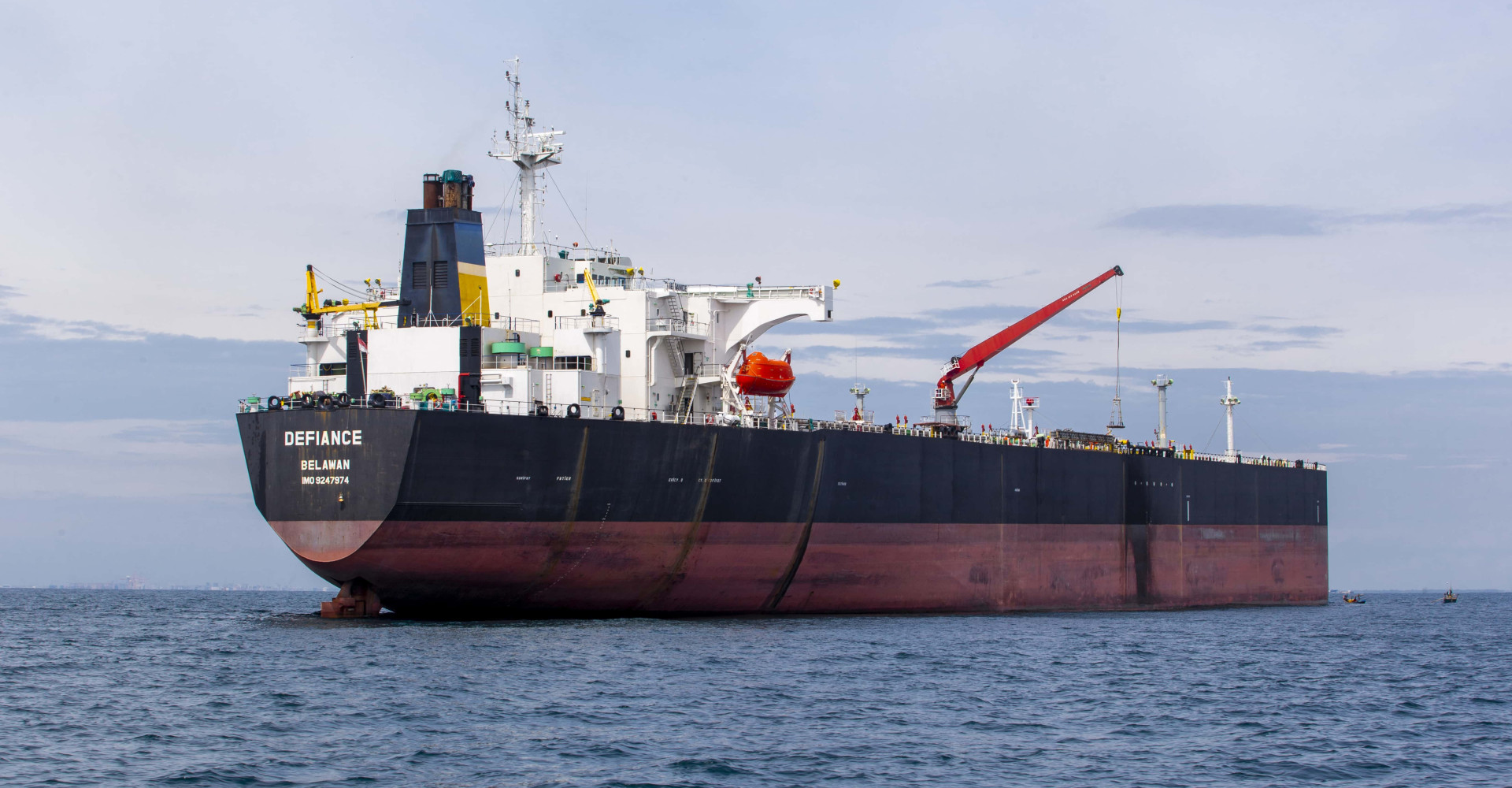
Transporting large volumes of liquid cargo by sea requires careful planning. Businesses must consider several factors, including cargo capacity, distances between ports, and operating costs. They also need to ensure that cargo quality is maintained throughout the voyage while meeting applicable safety and environmental standards.
To meet these requirements, businesses need vessels specifically designed to transport liquid cargo safely and efficiently. This is where tanker ships come in.
In this article, we’ll explore everything you need to know about tanker ships, from their definition and benefits to the different types available and the key factors to consider when choosing the right one for your business. So, keep reading!
About Tanker Ships
You may have come across the term tanker ship in the maritime industry, but what exactly is it? A tanker ship is a vessel specifically designed to transport large volumes of liquid cargo in dedicated tanks rather than in drums or containers.
Common types of cargo carried by tanker ships include crude oil, petroleum products, natural gas, liquid chemicals, and food-grade liquids such as molasses. Tanker ships come in various sizes, ranging from small coastal tankers to massive supertankers.
Benefits of Tanker Ships in the Energy Supply Chain
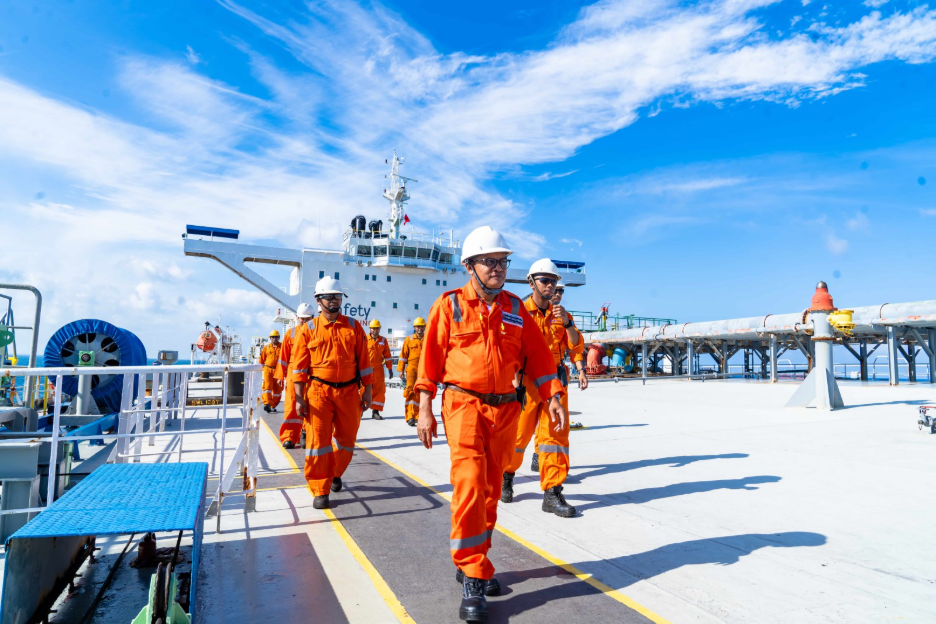
Tanker ships offer several benefits that make them an important part of the energy supply chain, including:
- Facilitating global commodity distribution: Tanker ships enable the efficient transportation of energy commodities, such as crude oil and fuel, by sea to support industrial operations, transportation, and everyday energy needs.
- Reducing transportation costs: Carrying liquid cargo in bulk allows large volumes to be transported in a single shipment, potentially lowering transportation costs per unit of product.
- Streamlining cargo handling: With dedicated tanks, liquid cargo does not need to be packaged in individual drums or containers. This reduces packaging requirements and makes loading and unloading more efficient.
Types of Tanker Ships
Tanker ships can be classified into several types based on their cargo and size, allowing businesses to choose a vessel that suits their transportation needs. Here is an overview of the different types:
Types of Tanker Ships Based on Cargo
Each tanker ship is designed to carry specific types of cargo. Based on the cargo they transport, tanker ships can be divided into the following categories:
Crude Oil Tanker
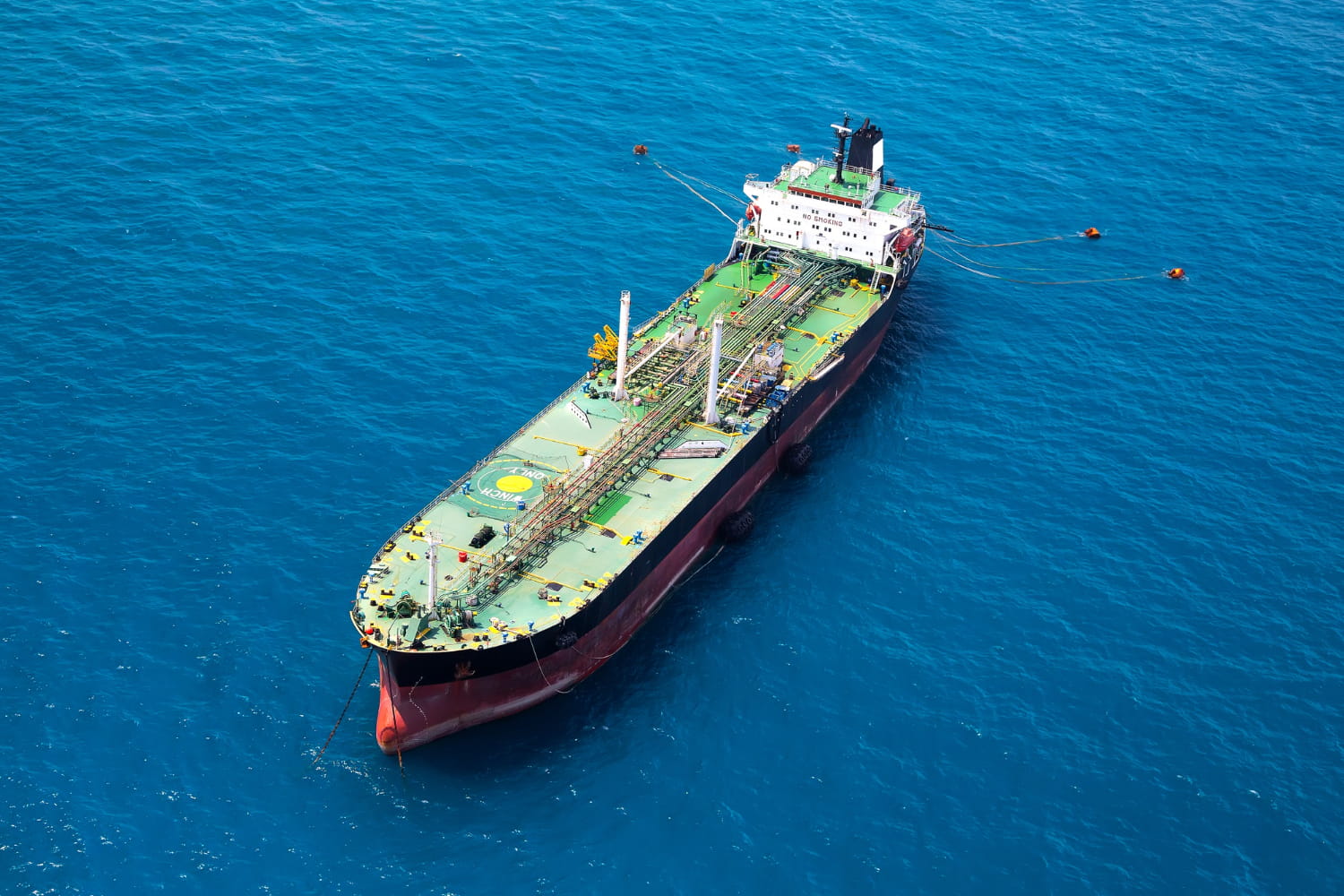
As the name suggests, crude oil tankers are designed to transport crude oil from drilling sites to oil refineries for processing.
These tankers are generally large, with cargo tanks designed to accommodate substantial volumes of oil, maintain cargo stability, and minimize the risk of oil spills at sea.
Product Tanker
While crude oil tankers transport unrefined crude oil, product tankers carry refined petroleum products, such as kerosene, gasoline, diesel, and jet fuel, to end users.
A product tanker can carry several types of petroleum products on a single voyage. Each cargo tank may have a heating system to help maintain the viscosity of certain liquid cargoes.
Chemical Tanker
Chemical tankers are designed to transport liquid chemicals in bulk, including general industrial chemicals and hazardous substances.
These vessels can typically carry multiple types of liquid chemicals without cross-contamination. This is made possible by specialized tank materials and coatings, such as epoxy coatings or stainless steel.
LPG Tanker
Transporting liquefied petroleum gas (LPG) and its constituent gases requires specialized LPG tankers equipped with pressurized tanks and refrigeration systems to keep the cargo in liquid form.
When looking at an LPG tanker, you will typically notice integral or independent cargo tanks arranged along the vessel, the engine room and superstructure at the stern, and a raised forecastle at the bow. The forecastle helps protect the forward deck from seawater coming over the bow.
LNG Tanker
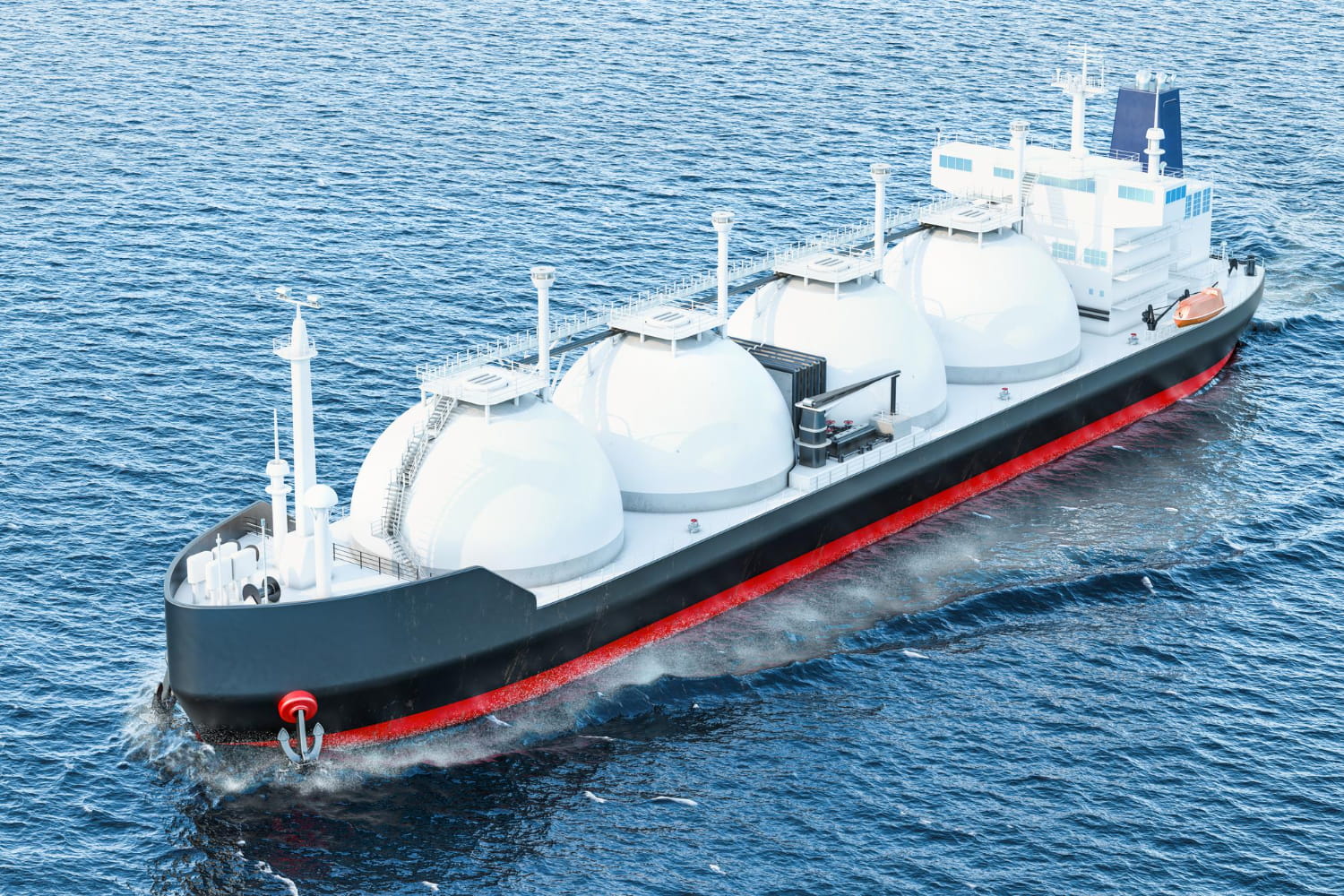
Although LPG and LNG are both gases under normal conditions, they have different properties and therefore require different onboard storage systems.
LNG (Liquefied Natural Gas) must be transported in specially insulated cryogenic tanks to maintain its extremely low temperature. If you look at photos of LNG tankers, you may notice prominent spherical Moss-type tanks rising above the deck.
Food-Grade Liquid Tanker
In addition to oil, gas, and chemicals, tanker ships can also transport food-grade liquids, such as vegetable oil.
Food-grade liquid tankers must meet strict hygiene and safety standards to prevent contamination or product spoilage during transportation. These vessels may also be equipped with temperature-control systems to maintain cargo freshness.
Types of Tanker Ships Based on Size
Tanker ships come in various sizes depending on the type and volume of cargo they carry. The following are common size classifications for liquid cargo tankers transporting petroleum products, chemicals, and crude oil.
Their sizes are generally classified according to DWT (Deadweight Tonnage), which refers to the total weight a vessel can carry, including cargo, fuel, provisions, and other loads. Gas tankers, such as LPG carriers, follow different classification systems due to the specific characteristics of their cargo and storage systems. Here are the details:
ULCC (Ultra Large Crude Carriers)
ULCCs are crude oil tankers with a deadweight tonnage of more than 320,000 DWT and a length of approximately 415 meters. Although they offer high transportation efficiency, these vessels require sufficient maneuvering space and port facilities capable of accommodating their size and weight.
VLCC (Very Large Crude Carriers)
VLCCs have a deadweight capacity of up to approximately 320,000 DWT and a length of around 330 meters. Their routes typically connect major oil-exporting regions with large refining markets across Asia, Europe, and other parts of the world.
Suezmax
The term Suezmax originally referred to the maximum vessel size that can transit the Suez Canal, one of the key shipping routes connecting Asia and Europe. Suezmax tankers typically range from 120,000 to 150,000 DWT and measure approximately 285 meters in length.
Aframax
Aframax tankers typically range from 80,000 to 120,000 DWT and measure around 245 meters in length. Capable of operating in both shallow and deep waters, these vessels are commonly found along shipping routes in the Caribbean Sea, North Sea, and Mediterranean Sea.
Medium Range (MR)
With a capacity of 25,000–45,000 DWT, Medium Range (MR) tankers are commonly used to transport refined petroleum products, such as gasoline, diesel, and jet fuel, as well as liquid chemicals. Their size allows for efficient transportation across regional routes while remaining flexible enough to access many major ports.
General Purpose
General Purpose tankers have a capacity of approximately 10,000–25,000 DWT and can carry various liquid cargoes, ranging from petroleum products and chemicals to vegetable oils. They are well-suited for short- to medium-distance regional distribution and are also known as Handysize product tankers.
Small Tanker
Small tankers have a capacity of less than 10,000 DWT and are designed to access small ports, river terminals, and coastal areas thanks to their relatively shallow draft. They are commonly used for local liquid cargo distribution and ship refueling, also known as bunkering.
Business Considerations When Choosing Types and Sizes of Tanker Ships
When selecting a tanker ship, companies need to consider several key factors, including:
Cargo Type, Characteristics, and Volume
Cargo type and characteristics are primary considerations, as each tanker is designed to meet different transportation requirements, from tank specifications and pumping systems to cargo-handling procedures.
Cargo volume must also match the vessel’s carrying capacity. Companies can use deadweight tonnage (DWT) as one of the key reference points, as explained previously.
Shipping Routes and Port Accessibility
Key considerations include voyage distance, channel depth, waterway width, maneuvering space, and the loading and unloading facilities available at the ports of origin and destination. For example, VLCCs can carry large volumes of crude oil, but the ports they call at must have sufficient water depth to accommodate these vessels safely and prevent grounding.
Operating Costs and Charter Terms
Operating costs include vessel charter fees, fuel expenses, port charges, cargo-handling costs, voyage duration, and potential additional charges resulting from loading or unloading delays. Companies should also carefully review the charter party agreement, which typically outlines the responsibilities of each party and the operational terms to be agreed upon.
Types of Cargo Transported by Waruna Group’s Tanker Fleet
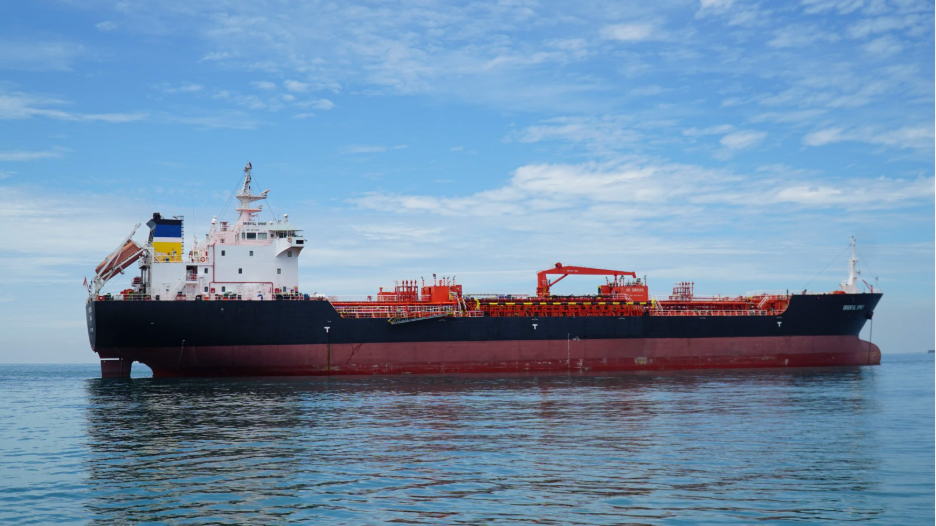
At the end of the day, the choice of vessel should match the specific shipping requirements to minimize the risk of using an unsuitable tanker. Choosing the wrong vessel can increase operating costs, disrupt distribution, and even put cargo at risk of damage.
To meet diverse transportation needs, Waruna Group provides Shipping Services with several types of tanker vessels designed to carry cargo such as crude oil, refined petroleum products, chemicals, and LPG. Here is an overview of each type:
Crude Oil Tankers
Crude oil is petroleum extracted through exploration that has not yet undergone refining into finished petroleum products. It serves as the primary raw material for the oil refining industry, where it is processed into various products, including gasoline, diesel, and other fuels.
Transporting crude oil requires tankers suited to the cargo’s characteristics and the operational requirements of the voyage. To support crude oil transportation, Waruna Group operates vessels such as MT DEFIANCE and MT SEABORNE PETRO.
Oil Tankers
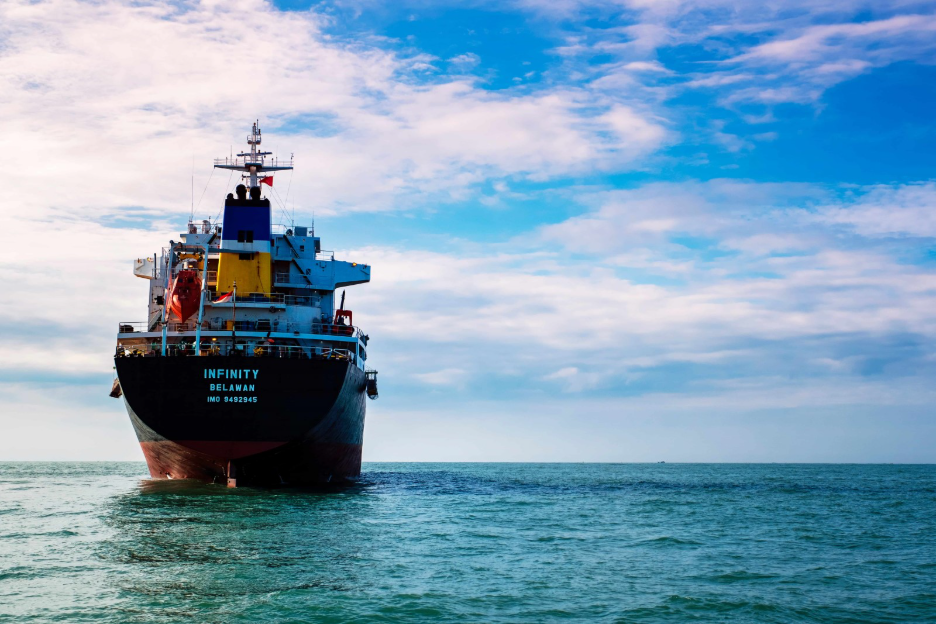 Oil tankers are designed to transport refined petroleum products from refineries. These cargoes include various fuels, such as gasoline, diesel, kerosene, and other petroleum products, depending on the vessel’s specifications and capacity.
Proper handling is essential when transporting refined petroleum products to maintain cargo quality and prevent contamination throughout the distribution process. To support these transportation needs, Waruna Group provides vessels such as MT SAAMIS ADVENTURER and MT SUMMER PALACE.
Chemical Tankers
Chemical tankers are specifically designed to transport large volumes of liquid chemicals. The types of cargo they can carry depend on the vessel’s specifications and the compatibility of its tank materials with the chemicals being transported. Common cargoes include various industrial chemicals used as raw materials in manufacturing, petrochemicals, and other industries.
Since different chemicals have different properties, their transportation requires careful consideration of tank compatibility, handling procedures, and applicable safety standards. To support the transportation of liquid chemicals, Waruna Group operates MT PEARL ORCHID.
LPG Tankers
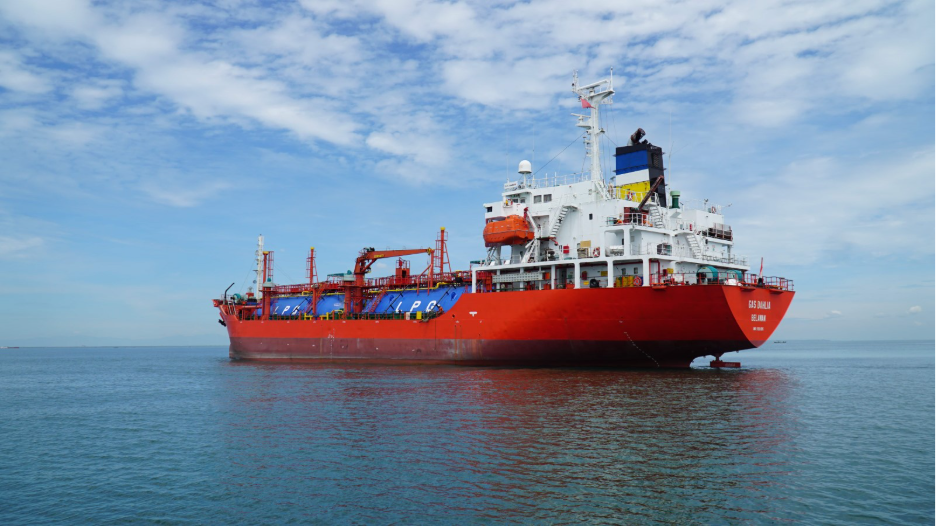
For the transportation of pressurized LPG on domestic routes, Waruna provides LPG tankers with a capacity of up to 20,000 CBM per vessel. The company is also preparing to expand its services into international markets while continuing to prioritize safety and compliance with applicable regulations.
Waruna’s LPG tanker fleet includes GAS OMEGA (3,500 m³), GAS LAURA (4,127 m³), GAS NUSA (20,902 m³), and many others.
Looking for a tanker with a different capacity? Contact Waruna Group today to discuss your business requirements and find the right fleet for your needs!