
In maritime gas distribution, successful delivery depends not only on timely shipping but also on maintaining cargo conditions throughout the journey. This is because liquefied gases must be stored at specific temperatures and pressures to remain in liquid form.
To ensure safe and efficient transportation, selecting the right gas tanker, including LPG carriers designed to transport Liquefied Petroleum Gas, is essential for effective logistics planning. In this process, fleet selection must consider cargo characteristics, vessel capacity, and suitable cargo control systems.
With these factors in mind, it is important to understand the different types of gas cargo before exploring vessel types, fleet capacity, and transportation systems in more detail. Let's take a look at the types of cargo carried by gas carriers below!
What Types of Cargo Do Gas Carriers Transport?
Here are some common types of cargo transported by gas carriers, including LPG carriers:
- Ammonia (NH₃): Used as a raw material for fertilizers, as a refrigerant, and as a carrier for green energy, an application that is currently being developed.
- Propane (C₃H₈): Used as a heating and cooking fuel in Europe and Asia, as a fuel for LPG-powered vehicles, and as a petrochemical feedstock for propylene production.
- Propylene (C₃H₆): Used as a petrochemical feedstock to produce polypropylene.
- Butane (C₄H₁₀): Used as a gasoline blending component to adjust fuel volatility according to seasonal conditions, as a lighter fuel, and as a raw material for the chemical industry.
- Vinyl Chloride Monomer (VCM): Used as a raw material for producing PVC (polyvinyl chloride).
- Ethylene (C₂H₄): Used as a petrochemical feedstock to produce polyethylene and polyester.
Types of Gas Carriers
Based on their tank pressure and temperature control systems, gas carriers are classified into three main types:
Fully Pressurized Carriers
Fully pressurized carriers transport LPG at ambient temperatures while maintaining high pressure to keep the cargo in liquid form and prevent excessive vaporization. To withstand this pressure, these vessels use cylindrical or spherical tanks designed as pressure vessels.
Their storage systems are relatively simple, as they do not require thermal insulation or reliquefaction systems. These vessels typically have capacities ranging from 1,000 to 6,000 m³, although some modern designs can reach up to 10,000 m³.
Semi-Pressurized/Semi-Refrigerated Carriers
Semi-pressurized carriers were developed to overcome the limitations of fully pressurized vessels and the high costs associated with refrigeration technology. By combining pressure and temperature control, these vessels can keep cargo in liquid form without relying solely on high pressure or extreme cooling.
These carriers are equipped with three main systems: pressure control, insulation to minimize heat transfer from the surroundings into the tanks, and reliquefaction systems that cool the generated gas vapor and convert it back into liquid.
This combination of systems makes semi-pressurized carriers more versatile in handling liquefied gases. Their capacities generally range from 5,000 to 20,000 m³, and they are commonly used to transport LPG and certain petrochemical gases over short- to medium-distance routes.
Fully Refrigerated Carriers
While fully pressurized carriers rely on high pressure and semi-pressurized carriers combine pressure and temperature control, fully refrigerated carriers use cooling systems to keep LPG in liquid form at relatively low pressure.
These vessels are equipped with insulated tanks and refrigeration systems designed to maintain cargo temperatures according to the characteristics of the gas being transported. Their tank designs allow them to carry large volumes of LPG, with modern vessels reaching capacities of approximately 100,000–150,000 m³.
In general, liquefied gas tank designs consist of an internal space for holding the cargo, insulation layers and membrane barriers, a void space outside the tank boundaries, and associated supporting structures connected to the vessel's main hull structure.
Sizes and Capacities of LPG Carriers
LPG carriers come in various sizes, ranging from small vessels to ships with very large cargo capacities. Based on their carrying capacity, LPG tankers are classified into the following categories:
- Small/Handy Gas Carriers: Have a capacity of less than 10,000 m³ and typically serve short- to medium-distance routes.
- Mid-size Gas Carriers: Have capacities ranging from 10,000 to 40,000 m³. They operate in regional trade, such as across Asia or the Americas, as well as on medium-distance routes in Europe and the North Sea.
- Large Gas Carriers (LGCs): Have capacities ranging from 40,000 to 70,000 m³ and are generally used to transport cargo between ports to support gas distribution and trade.
- Very Large Gas Carriers (VLGCs): Have capacities of 70,000 m³ or more and serve long-distance routes, particularly from the United States and the Middle East Gulf region to Asia.
How Do LPG Carriers Transport Liquefied Gas?
Each type of LPG carrier or gas carrier operates according to its cargo containment system and the requirements of the gas being transported.
Before loading, the cargo tanks and pipelines must be prepared to accommodate the characteristics of the intended cargo. For refrigerated vessels, the tanks are cooled gradually to prevent damage caused by rapid temperature changes. Once the required conditions are met, liquefied gas is transferred from the terminal into the vessel's tanks through a dedicated piping system.
During the voyage, cargo pressure and temperature are continuously monitored to maintain stable conditions. Some gases may vaporize as heat enters the tanks. On vessels equipped with reliquefaction systems, this vapor is cooled back into liquid form and returned to the cargo tanks.
Upon arrival at the destination port, the cargo is transferred from the vessel's tanks to the terminal's storage facilities through pipelines and specialized unloading equipment.
Throughout the transportation process, all operations must follow strict safety procedures to minimize the risks of leaks, excessive pressure, and equipment damage. One key safety reference is the International Code for the Construction and Equipment of Ships Carrying Liquefied Gases in Bulk (IGC Code), established by the International Maritime Organization (IMO).
This code sets standards for the design, construction, and equipment of ships carrying liquefied gases in bulk. Its purpose is to reduce risks to the vessel, its crew, and the environment throughout the transportation process.
Waruna Group: Your Trusted Partner for Safe Gas Cargo Transportation
As discussed above, the successful transportation of gas and LPG cargo depends largely on matching cargo characteristics with the capabilities of the vessel. Selecting a gas carrier with the appropriate containment system helps companies manage transportation efficiently while ensuring a smooth energy supply chain.
Beyond choosing the right vessel, partnering with a reliable and experienced shipping provider is equally important. For these needs, Waruna Group can be a partner you can consider.
Since 2019, Waruna has operated a dedicated fleet to support the safe and efficient transportation of pressurized gas cargo. Our vessels offer a range of capacities, from several thousand cubic meters to more than 20,000 m³ per vessel.
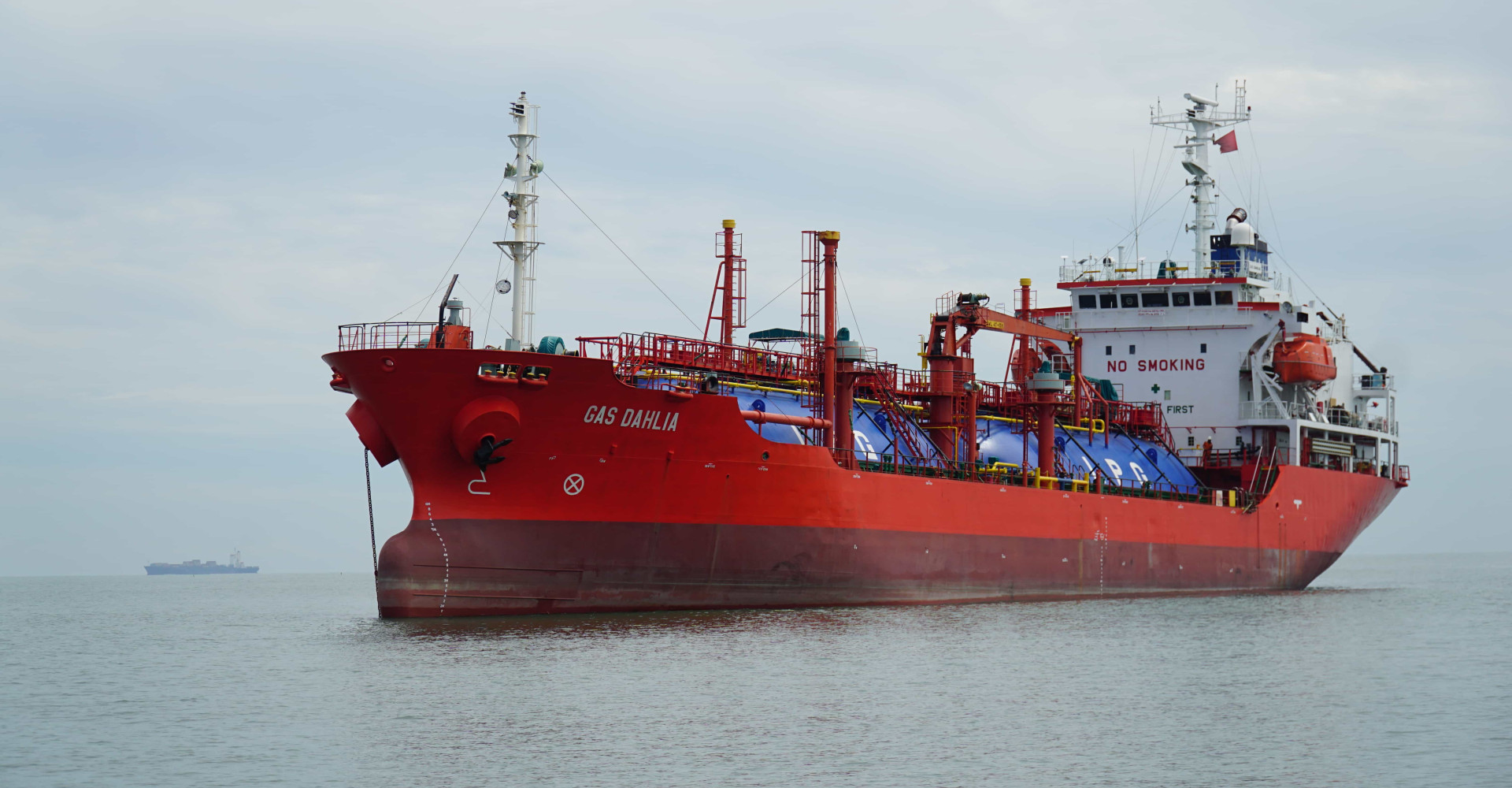
Through our Shipping Services, we provide various vessels to support LPG and gas transportation requirements, including GAS OMEGA (2,998 m³), GAS DAHLIA (4,390 m³), GAS NUSA (20,902 m³), GAS LAURA (4,127 m³), and more.
To support your business's gas distribution needs, contact our team to discuss your company's transportation requirements!