
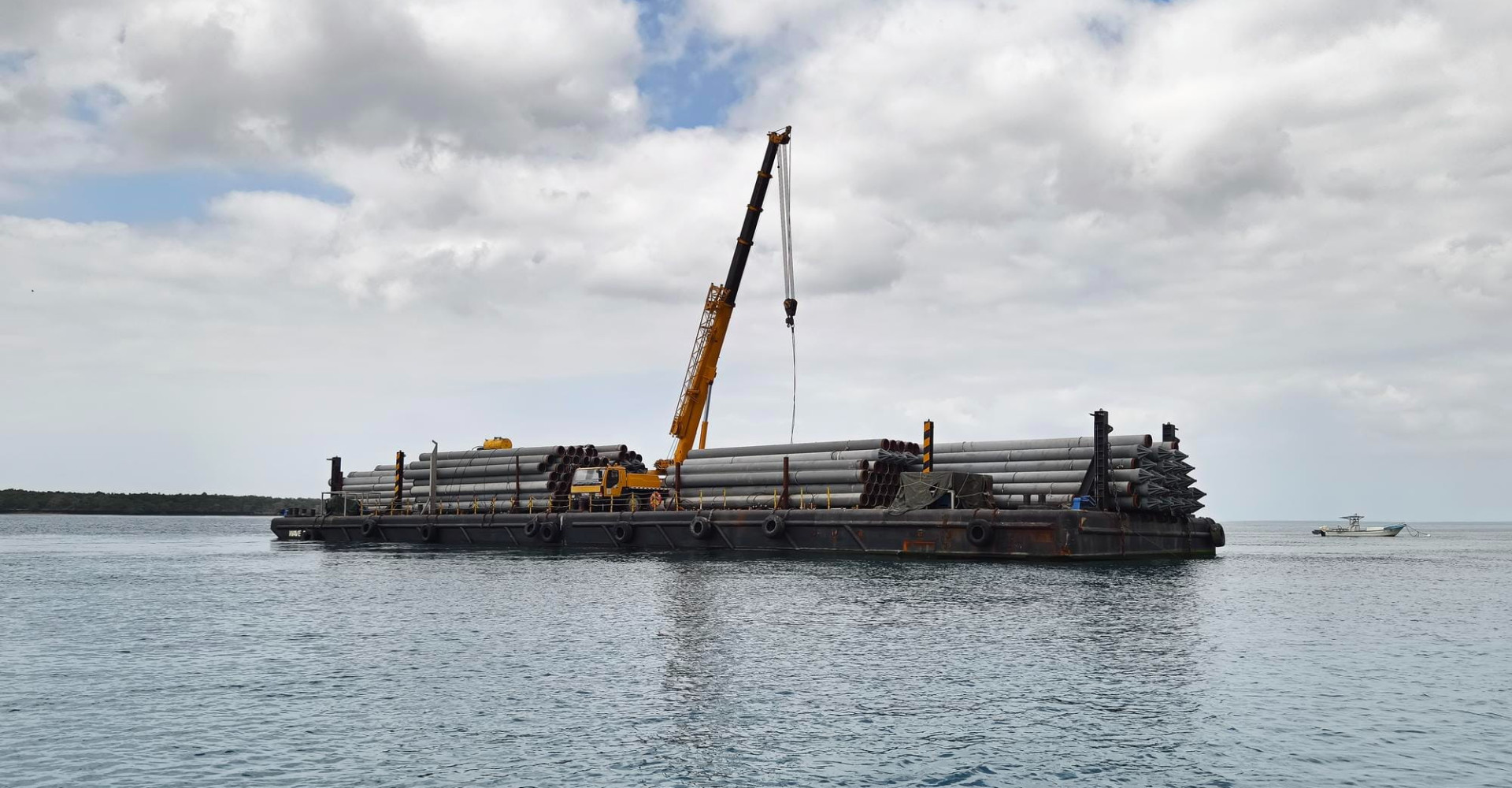
In the shipping industry, choosing the right barge is essential for ensuring smooth cargo distribution. Differences in hull shape, structural design, and cargo-handling systems mean that each type of barge serves a specific purpose.
This article explores the different types of barges based on the cargo they carry, their structural design, and their operating areas. Read on to learn more about the characteristics and functions of each type!
Types of Barges Based on the Cargo They Carry

The shipping industry uses various types of barges to transport different kinds of cargo. Here are some of the most common types:
Coal Barges
Coal barges are used to transport large volumes of coal from production sites to major ports or processing facilities. They play an important role in coal supply chains, particularly when loading sites are connected to river routes or when transshipment is required to transfer cargo onto larger vessels.
A closer look at a coal barge reveals a spacious, open cargo area. Tall steel sidewalls run along the edges of the deck to help contain piles of bulk material and keep the cargo secure as the barge moves through waves during transportation.
Oil Barges
Oil barges are used to transport crude oil and refined petroleum products by water. These vessels typically carry oil from extraction sites to refineries or ports where fuel is needed.
Their hulls are generally made of marine-grade steel, with cargo spaces divided into separate tanks or compartments to store different liquid cargoes. This design helps keep the cargo separated during transportation.
Oil barges may also be equipped with specialized pumping and temperature-control systems to ensure that oil can be loaded and unloaded safely and efficiently, depending on the characteristics of the cargo.
Timber Barges
Timber barges are used to transport logs and other wood products through shallow waterways, such as rivers and estuaries.
These barges are typically designed with long, relatively narrow hulls and tapered ends to help them navigate waterways. They also provide sufficient buoyancy to support heavy timber loads while remaining stable in the water.
General Cargo Barges
While certain types of barges are designed for specific cargoes, general cargo barges can carry a wide range of materials, including sand, cement, and oversized project cargo.
These barges typically feature a wide, flat, open deck that makes loading and unloading easier. Their versatile design allows them to accommodate different types of cargo without requiring highly specialized handling equipment for every shipment.
Shale Barges
Shale barges play an important role in the oil drilling industry by transporting drilling fluids and rock cuttings generated during oil well drilling.
These materials cannot always be discharged directly into the sea due to environmental regulations, making proper collection and transportation essential.
Shale barges are available in various sizes. The largest units can carry more than 6,500 barrels of drilling waste, weighing nearly 1,500 short tons. The waste is then transported to approved treatment facilities for safe and legally compliant processing or disposal.
Liquid Mud Barges
This type of barge are primarily used to transport drilling mud from offshore oil drilling sites. Equipped with pumping and piping systems, these barges facilitate the transfer and delivery of drilling fluids.
Their internal structure is typically divided into four separate compartments arranged across two levels. Many liquid mud barges can carry more than 2,300 barrels of cargo, with a capacity equivalent to approximately 260 GRT (Gross Register Tonnage).
Types of Barges Based on Structural Design
A barge’s structural design determines how cargo is carried or stored on its deck or inside its hull. Based on their construction, barges can be classified into several types, including the following:
1. Deck Barges
Deck barges are designed to carry cargo on an open, flat deck. Some types can also accommodate liquid cargo inside the hull.
Beyond cargo transportation, deck barges can serve as floating work platforms for offshore projects. Common applications include marine construction, dredging, bridge and retaining wall construction, and offshore oil and gas operations.
Their size and design vary according to operational requirements. Some models also feature a curved bow to reduce resistance when being pushed through the water.
2. Hopper Barges
Unlike deck barges, which feature a flat, open deck, hopper barges have a large cargo compartment in the middle of the vessel known as a hopper. These barges commonly transport coal, mineral ores, sand, gravel, mud, and other bulk materials.
Hopper barges are designed with a double hull, meaning the cargo compartment is separated from the outer hull by an intermediate space, which may be left empty or used as a ballast tank.
Cargo can be loaded onto hopper barges using conveyors, excavators, grabs, cranes, or winches. For unloading, some hopper barges feature a specialized system that allows the hull to open at the bottom, releasing the cargo directly into the water or a designated receiving area. This design is known as a split hopper barge.
Types of Barges Based on Operating Area
Another way to classify barges is by the type of waterway in which they operate. Based on their operating areas, barges fall into two main categories:
Inland Barges
Inland barges are designed to operate on rivers and other inland waterways. Most barges operating worldwide fall into this category.
They offer relatively low operating costs, particularly when transporting large, dense, and heavy cargo over inland waterways.
Ocean Barges
For longer voyages and more challenging sea conditions, companies typically use ocean barges. These vessels feature stronger construction, greater freeboard, and additional structural reinforcement to withstand more demanding operating conditions.
Ocean barges are commonly used to transport heavy cargo, oversized industrial components, and project materials to ports with limited water depth that may be inaccessible to vessels with a deeper draft.
Waruna Group’s Barge Fleet: Supporting Competitive Maritime Logistics
Choosing the right type of barge can help companies maximize cargo capacity, improve operational efficiency, and reduce transportation costs and shipping risks. These benefits can ultimately strengthen their competitiveness in the maritime logistics industry.
Finding the right fleet starts with choosing an experienced and reliable shipping partner, such as Waruna Group.
Through its integrated Shipping Services, Waruna Group offers hundreds of vessels, including barges and tugboats. Through PT Asia Mulia Transpasifik, Waruna currently operates 12 tugboat-and-barge sets. Its tugboats have engine power of up to 2,400 HP, while its barges range from 230 to 300 feet in length.
Examples of barges in Waruna Group’s fleet include TB MARTHA DINI paired with TK SENTANA V (270 feet), TB MARTHA I paired with TK SENTANA ASIA (300 feet), and TB MARTHA MAJU paired with TK SENTANA LESTARI (300 feet).
Contact Waruna Group today to find a barge fleet that meets your business’s transportation needs!