
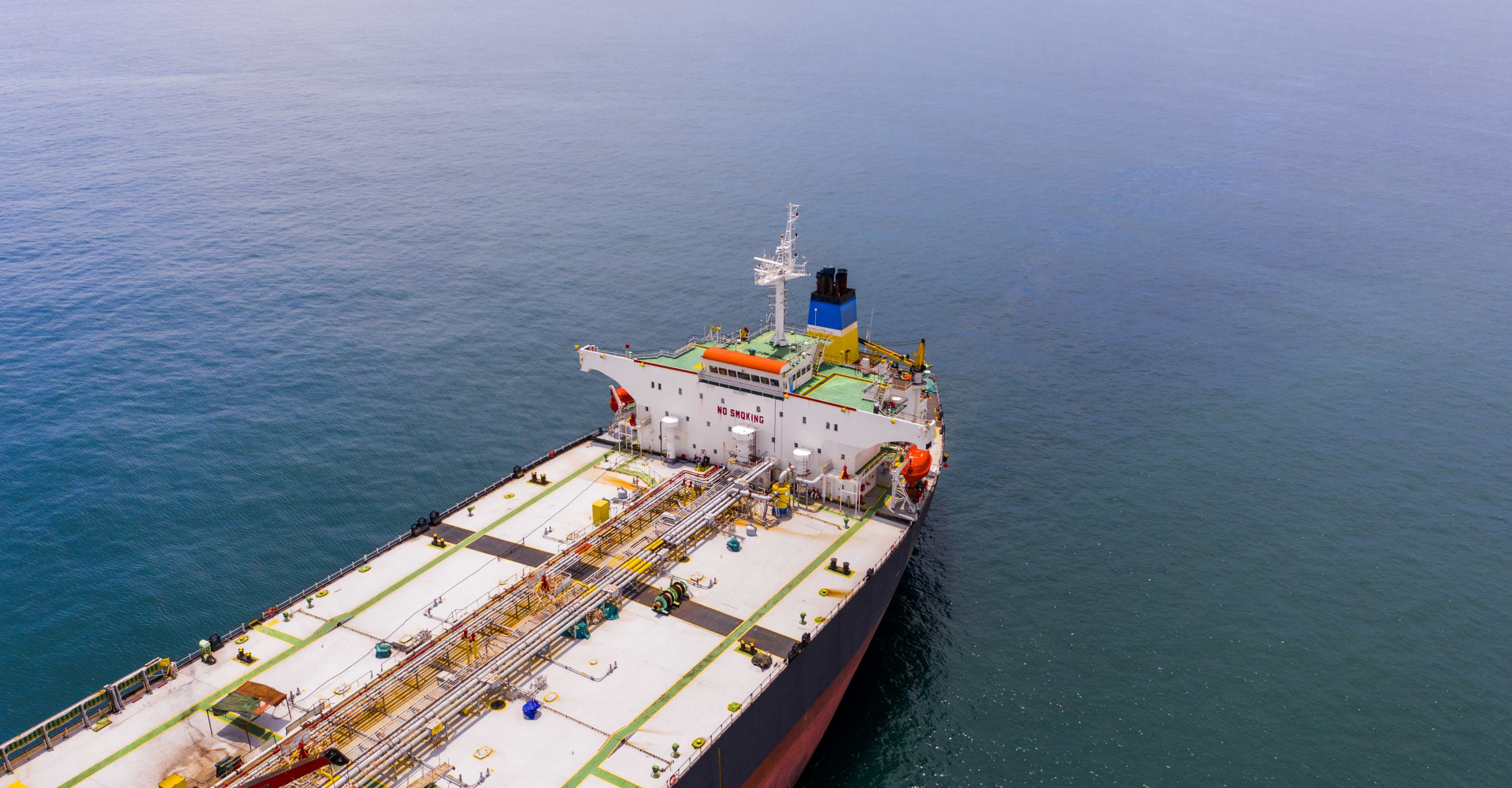
Oil, gas, and liquid chemicals undergo complex transportation processes before reaching processing facilities or their final destinations. These operations are influenced by the specific characteristics and risks associated with each type of cargo. As a result, proper handling throughout the journey is essential, including selecting the right tanker vessel.
Different types of tankers are designed with specialized functions, tank specifications, storage systems, and safety equipment to accommodate their respective cargoes. Read on to explore the different types of tanker ships and their functions.
Types of Tanker Ships
Below are the main types of tanker ships commonly used in maritime logistics:
Gas Tankers
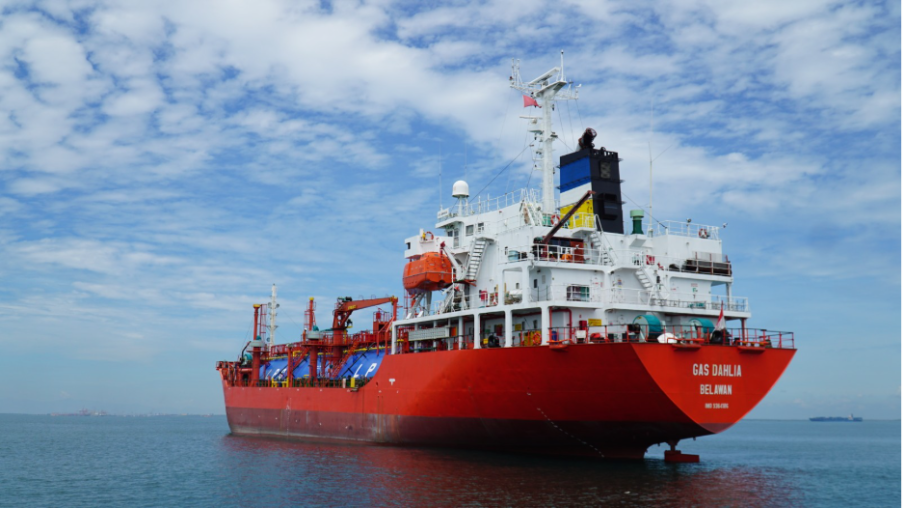
As the name suggests, gas tankers are designed to transport gases. Equipped with specialized refrigerated, insulated, or pressurized tanks, these vessels can store and transport gases in liquid form.
Based on cargo characteristics and transportation conditions, gas tankers can be divided into the following categories:
- Fully pressurized ship: Typically transport liquefied petroleum gas (LPG) and ammonia in pressurized tanks at ambient temperature.
- Semi-Pressurized Ships: Carry LPG and chemical gases, such as ethylene and propylene, using tanks equipped with pressure-control systems, insulation, and refrigeration.
- Ethylene Carriers: Transport ethylene, LPG, and certain other chemical gases at low temperatures.
- Fully Refrigerated Ships: Carry large quantities of LPG and ammonia in refrigerated tanks at pressures close to atmospheric pressure.
- LNG Carriers: Transport liquefied natural gas (LNG) at temperatures of approximately −162°C.
Chemical Tankers
Chemical tankers are designed to transport a wide range of bulk liquid chemicals, including hazardous substances such as vinyl chloride and sulfuric acid, as well as other chemicals such as methanol and caustic soda.
These vessels can carry multiple chemical products simultaneously without cross-contamination, thanks to their separate cargo tanks, which typically number between 20 and 40. Many chemical tankers also feature specialized tank materials or protective coatings, such as stainless steel, to resist corrosion and chemical reactions.
Based on the level of hazard associated with their cargo, chemical tankers are classified into three IMO ship types:
- IMO Type 1 Ships: Designed to carry the most hazardous chemicals, which pose significant risks to human safety and the environment. Examples include certain alkyl aryl phosphate mixtures.
- IMO Type 2 Ships: Carry chemicals that present considerable hazards and require stringent containment measures. Acetonitrile is one example.
- IMO Type 3 Ships: Transport chemicals that present comparatively lower hazards than those carried by Type 1 and Type 2 ships, although appropriate safety measures are still required. Examples include methanol, palm oil, and n-alkanes.
Oil Tankers
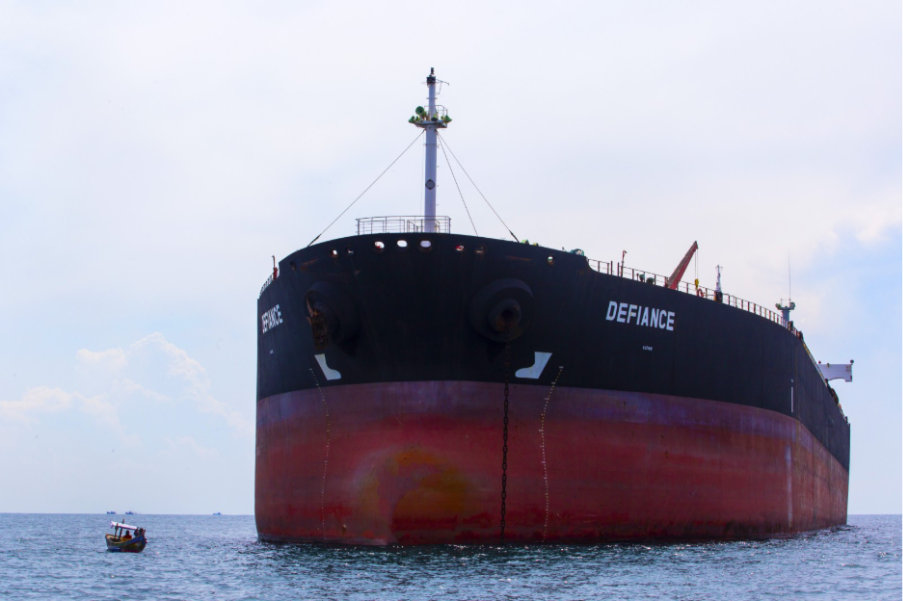
Oil tankers are designed to transport large volumes of crude oil and refined petroleum products, such as gasoline, diesel, and jet fuel. These vessels are equipped with specialized cargo tanks and safety systems to minimize the risk of fires, leaks, and oil spills.
Based on their size, carrying capacity, and operational requirements, oil tankers are generally divided into seven categories:
- Ultra Large Crude Carriers (ULCCs): The largest oil tankers, with a deadweight capacity of more than 320,000 DWT (Deadweight Tonnage). They are commonly used to transport crude oil along major trade routes serving high-demand markets, including the Middle East and North America. Their enormous size requires suitable port infrastructure and sufficient maneuvering space.
- Very Large Crude Carriers (VLCCs): Have a deadweight capacity of up to approximately 320,000 DWT. These vessels typically transport crude oil from major exporting regions to large refining and processing markets in Europe, Asia, and other parts of the world.
- Suezmax Tankers: Have a deadweight capacity of approximately 120,000–150,000 DWT. Their name refers to the maximum vessel size that can transit the Suez Canal under applicable navigation and loading conditions. The canal is a strategic shipping route connecting Asia and Europe.
- Aframax Tankers: Typically have a deadweight capacity of around 80,000–120,000 DWT. They are often used to serve ports that cannot accommodate larger tankers and commonly operate in regions such as the Caribbean Sea, Mediterranean Sea, and North Sea.
- Medium Range (MR) Tankers: Have a deadweight capacity of approximately 25,000–45,000 DWT. These vessels primarily transport refined petroleum products, including gasoline, diesel, and jet fuel, and are widely used for medium- to long-distance distribution.
- General Purpose (GP) Tankers: Have a deadweight capacity of around 10,000–25,000 DWT. They typically transport refined petroleum products, liquid chemicals, and vegetable oils on regional routes, including shipments between islands or neighboring countries.
- Small Tankers: Have a deadweight capacity of less than 10,000 DWT. They are designed to transport smaller volumes of liquid cargo and access ports with limited infrastructure. Their typical uses include local fuel distribution and bunkering, which involves supplying fuel to other vessels.
Food-Grade Tankers
Food-grade tankers are designed to transport edible oils, juices, and other liquid food products. These vessels must meet strict hygiene and safety requirements to prevent contamination throughout the transportation process.
To preserve the quality and freshness of their cargo, food-grade tankers use specialized handling and transportation procedures, along with carefully controlled temperatures when required.
Regular inspections and certifications are also essential to ensure that these vessels remain suitable for transporting food products and comply with applicable food safety standards.
Waruna Group: Your Partner in Energy Logistics
The differences in tanker design and cargo-handling systems highlight the importance of safety in maritime transportation. Choosing the right vessel therefore requires more than just considering cargo capacity. Businesses must also account for cargo characteristics, handling requirements, and applicable safety standards.
Equally important is choosing a reliable and experienced shipping partner like Waruna Group.
With more than 35 years of experience supporting energy distribution across Indonesia, Waruna Group offers integrated Shipping Services backed by a diverse tanker fleet. Its fleet includes the following categories:
- Crude Oil and Product Tankers: Waruna operates more than 50 oil tankers, including vessels up to the Suezmax class, to accommodate a range of cargo volumes. Available vessels include MT HIPPO (46,092 DWT), MT BRO COMBO (16,957 DWT), MT STAR VALIANT (107,200 DWT), and MT PHOENIX CROWN (38,511 DWT).
- LPG Tankers: Waruna's LPG tanker fleet offers capacities of up to 20,000 cubic meters (CBM) per vessel. Available options include GAS PATRICIA (3,513 m³), GAS PETROL (3,514 m³), GAS TULIP (3,533 m³), and GAS OLYMPIC (3,589 m³).
- Chemical Tankers: These vessels are specially designed to transport bulk liquid chemicals safely and efficiently. One example in Waruna's fleet is MT PEARL ORCHID, with a capacity of 19,980 DWT.
Waruna Group offers a range of additional fleet options and shipping services to help businesses maintain smooth and reliable logistics operations. So, are you looking for the right tanker for your business? Contact our team now to explore the available fleet and find a shipping solution tailored to your operational needs.